Save 20% on your first shop
Asia Decoded: Culture, Etiquette, and Mindset for the Modern Digital Nomad
Asia, the largest continent, embodies a tapestry of diverse cultures, traditions, and languages. Each country within Asia boasts its unique heritage and beliefs, significantly shaping the worldview of its people. Understanding Asian culture is essential for digital nomads who wish to navigate the intricate social landscapes of these nations effectively
6/24/20268 min read
Understanding Asian Culture
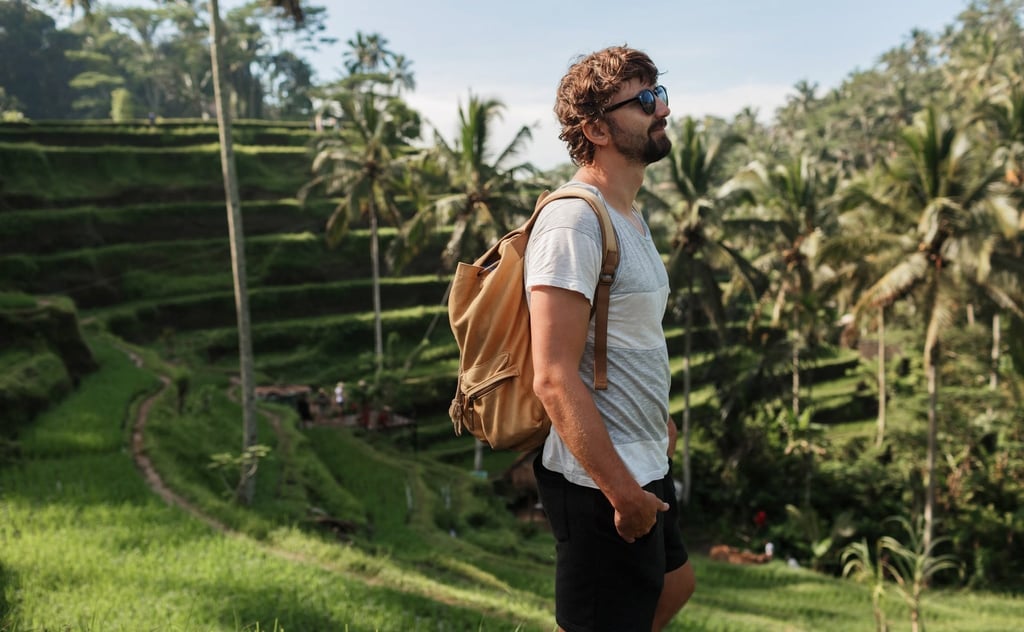
Asia, the largest continent, embodies a tapestry of diverse cultures, traditions, and languages. Each country within Asia boasts its unique heritage and beliefs, significantly shaping the worldview of its people. Understanding Asian culture is essential for digital nomads who wish to navigate the intricate social landscapes of these nations effectively.
Family plays a pivotal role in many Asian societies. For instance, in countries like Japan and China, family values and respect for elders are deeply ingrained in cultural practices. This emphasis on familial bonds affects social behavior, communication styles, and even business interactions. It is common to encounter collective decision-making in these cultures, contrasting with the more individualistic approaches found in the West.
Religion also significantly contributes to the cultural identity in Asia. The continent is home to a rich diversity of faiths, including Buddhism, Hinduism, Islam, and various indigenous beliefs. Each religion brings unique philosophies that influence daily life, festivals, and moral behaviors. Understanding these religious practices and their societal implications can help digital nomads connect more meaningfully with local communities.
Community engagement is another critical element in Asian culture. Many communities work collaboratively, often prioritizing communal welfare over personal ambition. This social fabric encourages participation in local events and an appreciation for traditional customs, which can be vital for digital nomads seeking to immerse themselves in the local culture. Networking within these communities can lead to enriching experiences and foster a sense of belonging.
Asia's intricate cultural tapestry has been shaped by its historical legacies, including colonialism, trade, and conflict. This rich history continues to influence contemporary societal norms and practices, making it imperative for visitors to approach Asian cultures with respect and an open mind. By understanding the nuances of these cultural elements, digital nomads can navigate their experiences in Asia more effectively and appreciatively.
Navigating Etiquette Across Different Asian Countries
As digital nomads venture through the diverse and vibrant landscapes of Asia, understanding and adhering to local etiquette becomes paramount to fostering positive interactions with locals. Different Asian countries possess unique social norms and customs that can significantly affect one's experience. Acknowledging these norms is essential for creating respectful and meaningful relationships.
In Japan, for instance, bowing is a fundamental greeting, conveying respect and humility. When dining, it is customary to say "Itadakimasu" before meals and "Gochisosama deshita" afterward, expressing gratitude for the food. On the other hand, in countries like Thailand and Myanmar, the traditional form of greeting is the "Wai," which involves a slight bow with palms pressed together in a prayer-like gesture. Disrespecting this practice can inadvertently offend locals.
Dining etiquette also varies widely across Asia. In China, sharing food is a common practice, and leaving some food on your plate can signify that you are full and satisfied. Conversely, in India, meals are typically enjoyed with hands, particularly in traditional settings. It is important to eat with the right hand, as the left hand is considered unclean in many contexts.
Furthermore, communication styles differ across cultures. For example, in many East Asian societies, indirect communication is often favored over direct phrasing. This means that subtle cues or non-verbal signals may convey intentions more effectively than outright statements. Understanding these manners of communication can enhance the overall experience and prevent misunderstandings.
In summary, navigating etiquette across different Asian countries requires awareness and adaptability. By embracing local customs and showing respect for cultural practices, digital nomads can enrich their experiences and build genuine connections with the people they encounter on their journeys.
The Mindset of a Modern Digital Nomad in Asia
The evolving landscape of work and travel has led to a growing population of modern digital nomads who venture into Asia, a region rich in diverse cultures and countless experiences. To thrive in this dynamic environment, it is essential for digital nomads to adopt a mindset centered on adaptability, openness, and cultural sensitivity. By embracing these qualities, they can significantly enhance their nomadic journey.
Adaptability is vital for anyone seeking to navigate the various cultural landscapes within Asia. Each country and region presents unique customs, languages, and social norms. Being open to adjusting one’s practices and perspectives will allow digital nomads to better integrate into their surroundings. This flexibility not only fosters a more enjoyable living experience but also facilitates smoother professional interactions and collaborations.
Equally important is the willingness to embrace new experiences. As a digital nomad in Asia, one will undoubtedly encounter unfamiliar situations that may initially evoke discomfort. However, by maintaining a growth mindset, nomads can transform challenges into opportunities for learning and personal development. Actively seeking out local activities, participating in community events, or attending workshops can further enhance one’s understanding of the cultural nuances that define each setting.
Cultural sensitivity plays a critical role in building meaningful relationships with locals. Digital nomads should endeavor to understand and respect the customs and traditions of the people they interact with. Simple gestures, such as learning a few basic phrases in the local language or familiarizing themselves with local etiquette, can demonstrate a commitment to engaging with the culture authentically. Establishing such connections not only enriches the nomadic experience but also paves the way for deeper, more impactful friendships.
In summary, adopting a mindset that emphasizes adaptability, openness to new experiences, and cultural sensitivity can significantly enhance a digital nomad's experience in Asia. By embracing these principles, individuals can create meaningful connections and fully immerse themselves in the diverse cultural landscape that Asia has to offer.
Work-Life Balance in Asian Cultures
The concept of work-life balance encompasses various interpretations across cultures, particularly in Asia, where traditions and societal structures significantly influence perceptions of professional and personal life. Many Asian cultures often uphold strong communal values, emphasizing the collective over the individual. This collective mindset often translates into a profound commitment to work and duty, leading to longer working hours compared to Western norms. In countries such as Japan and South Korea, overtime work is sometimes viewed as a demonstration of loyalty and dedication, creating high expectations around productivity.
However, there is a growing recognition of the importance of work-life balance among Asian populations. As globalization continues to influence cultural norms, younger generations increasingly prioritize personal well-being and leisure. This shift is reflected in policies promoting better work environments and personal time, especially in urban settings. For example, in places like Singapore and Taiwan, businesses are now adopting flexible working arrangements and wellness programs in recognition of the need for downtime.
Digital nomads navigating these cultural landscapes should be aware of and respect local practices and expectations. Understanding regional differences in work attitudes is critical for integrating into local work cultures successfully. Adopting a flexible approach that acknowledges the importance of building relationships through social gatherings and group activities can enhance one's experience. Moreover, ensuring that personal time is reserved, without compromising professional responsibilities, exemplifies respect for local work ethics. This balance will not only foster good relations but also enable sustainable productivity. Ultimately, recognizing and aligning with these cultural expectations regarding work and rest can significantly enhance the experience of digital nomads as they traverse the diverse environments across Asia.
Food and Dining Etiquette in Asia
Asia is home to a myriad of culinary traditions, each reflecting its unique culture, geography, and history. From the aromatic spices of India to the fresh flavors of Vietnam, the continent boasts an impressive array of delicacies that digital nomads should be eager to explore. Common dishes include sushi in Japan, dim sum in China, and pad thai in Thailand, illustrating not only the diversity of flavors but also the significance of food in social and familial settings.
Dining etiquette varies widely across different Asian cultures and is an integral part of the dining experience. For example, in many Southeast Asian countries, it is customary to eat with one's hands, especially when consuming dishes served on banana leaves. Conversely, in Japan, using chopsticks is a must, but certain practices—like sticking them upright in a bowl of rice—must be avoided as they symbolize death. Understanding these nuances can significantly enhance a dining experience and demonstrate respect for local customs.
Communal eating practices are also prevalent in Asia, reflecting the importance of sharing meals. It is common for diners to order multiple dishes to share, allowing guests to experience a variety of flavors. In this context, it is courteous to wait until everyone has been served before starting to eat and to serve others before helping oneself. Additionally, expressing enjoyment of the meal through comments or compliments to the host is appreciated.
To truly immerse oneself in the culture, it is advisable for digital nomads to explore local markets, food stalls, and cooking classes. These experiences not only enhance one's appreciation of the cuisine but also provide an opportunity to meet locals and learn about their customs first-hand. By embracing these culinary traditions and dining etiquette, digital nomads can cultivate a deeper connection to the cultures they encounter throughout Asia.
Building Connections with Locals
For digital nomads journeying through Asia, building connections with locals is an integral aspect of enhancing both personal experiences and professional opportunities. Networking is paramount, as it not only aids in understanding the community's dynamics but also fosters friendships that can enrich one's time in a new environment. One way to start is by immersing oneself in local customs and traditions, which often serves as a bridge between cultures.
Engaging with locals can be as straightforward as participating in cultural or community activities. Many regions offer festivals, workshops, or even co-working spaces where digital nomads can meet like-minded individuals. By attending events such as cultural nights, food fairs, or art exhibitions, one can enjoy authentic local flavors while actively participating in community life. This often leads to spontaneous conversations and lasting impressions.
Another way to strengthen these bonds is through language acquisition. Learning a few phrases in the local language can go a long way in expressing genuine interest and respect towards the culture. Whether it’s through language exchange meetups or casual tutoring sessions, seizing opportunities to converse in the local tongue not only enhances communication but also deepens the relationship with the locals.
Additionally, volunteering is an impactful method for engaging with communities. Many local organizations seek help and this can provide digital nomads with insight into the social issues prevalent in the area while simultaneously fostering strong interpersonal connections. By committing time to such initiatives, nomads can leave a positive imprint and receive invaluable support from the community in return.
Through a blend of active participation, mutual respect, and a willingness to learn, digital nomads can create profound connections with locals in Asia, setting the foundation for enriching cultural exchanges that benefit all involved.
Challenges and Solutions for Digital Nomads in Asia
As more individuals embrace the digital nomad lifestyle, particularly in Asia, they often encounter unique challenges that can impact their work and overall experience. Among these, language barriers stand out as a significant hurdle. While English is widely spoken in urban areas, rural regions may present difficulties in communication. To mitigate this issue, digital nomads can utilize translation apps or take introductory language courses to enhance their local engagement and understanding.
Another common challenge is cultural misunderstandings, which can arise from differing social norms and practices. The nuances of Asian cultures can be complex, and an unfamiliarity with local etiquette could lead to unintentional offense. To address this, individuals should invest time in cultural research prior to their arrival, and be open to learning from local interactions. Joining local community groups can also provide valuable insights into proper conduct and expectations.
Isolation is yet another concern that many digital nomads face while working abroad. Without a stable support network, feelings of loneliness can detract from the overall experience. To combat this, engaging with online platforms catering to digital nomads, such as forums and social media groups, can help individuals connect with like-minded peers and create friendships. Additionally, co-working spaces often host networking events, providing opportunities to meet fellow professionals and build a sense of community.
Resources like local Meetups or expat organizations can also provide essential support networks. These groups often organize social events and activities, fostering connections that can reduce feelings of isolation by integrating nomads into the local fabric of society. By being proactive and resourceful, digital nomads can effectively navigate the diverse challenges presented in Asia, enhancing both their productivity and overall quality of life.
Contact
Reach out for questions
Address
Connect
info@strategynomad.com.br
+1-555-123-4567
© 2025. All rights reserved.
Prefer to explore first? Preview the transition roadmap before you commit.
Become part of a new generation of location-independent professionals who are swapping anxiety for strategy:
70% of individuals with over 5 years of experience transition to nomad life
25% greater lifestyle sustainability with a gradual “micro-nomadism” approach versus drastic relocations
Risk of failure reduced by as much as 40% through effective financial planning and income diversification