Save 20% on your first shop
The Minimalist Nomad: How to Travel Asia with Only a Carry-On
Adopting a minimalist travel approach offers several advantages that can significantly enhance the overall travel experience. One of the most notable benefits is financial savings. By utilizing only a carry-on bag, travelers can evade additional costs associated with checked luggage, such as baggage fees and potential charges for overweight items. Moreover, having fewer belongings allows one to focus on essential items that contribute to the travel experience, ultimately reducing spending on unnecessary accessories and garments.
6/23/20268 min read
The Benefits of Minimalist Travel
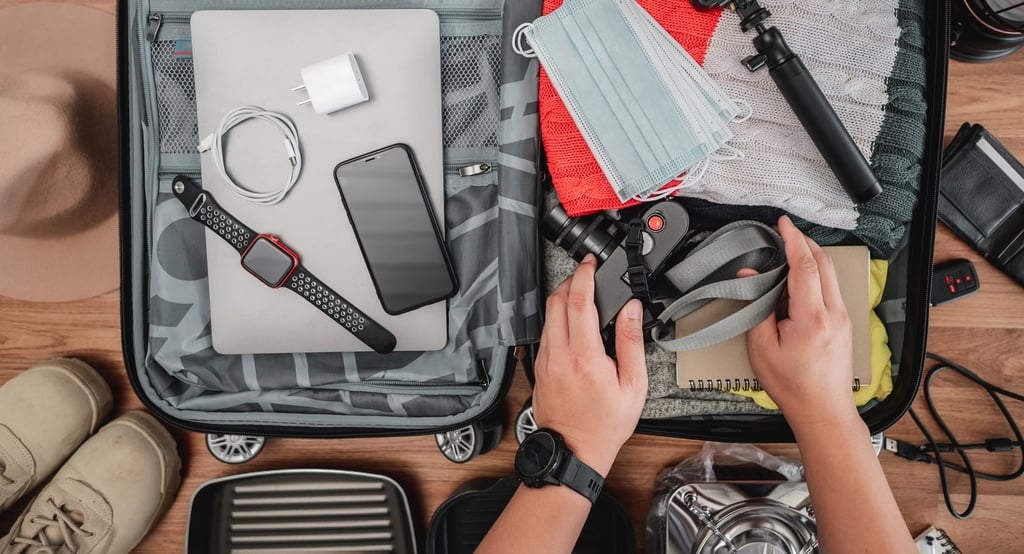
Adopting a minimalist travel approach offers several advantages that can significantly enhance the overall travel experience. One of the most notable benefits is financial savings. By utilizing only a carry-on bag, travelers can evade additional costs associated with checked luggage, such as baggage fees and potential charges for overweight items. Moreover, having fewer belongings allows one to focus on essential items that contribute to the travel experience, ultimately reducing spending on unnecessary accessories and garments.
Another considerable advantage of minimalist travel is the ease of mobility. Navigating through crowded airports, train stations, or city streets becomes considerably more manageable with a single carry-on. Travelers can avoid the hassle of juggling multiple pieces of luggage, which often becomes frustrating in busy environments. This streamlined approach facilitates a smoother transition between destinations and enables travelers to engage more with their surroundings, rather than being preoccupied with their baggage.
Furthermore, traveling with a limited selection of belongings encourages a more intentional consideration of each item packed. Minimalist travelers typically select versatile clothing and essential items that serve multiple purposes, promoting a thoughtful curation of one’s possessions. This intentionality not only enhances the travel experience but also helps mitigate the stress often associated with trip preparation. Packing efficiently fosters a sense of accomplishment and confidence that can further enrich one’s journey.
Ultimately, embracing a minimalist travel philosophy leads to increased enjoyment of the travel experience, fostering a deeper connection with the destination and its culture. The advantages of financial savings, ease of mobility, and reduced stress make the minimalist approach an appealing option for modern nomads exploring the diverse landscapes of Asia.
Choosing the Right Carry-On Bag
Selecting the appropriate carry-on bag is crucial for any traveler, particularly when embarking on an adventure across Asia. With a diverse range of cultures and climates across the continent, your choice of bag can significantly impact your travel experience. First and foremost, consider the size of the carry-on bag. Most airlines enforce strict regulations regarding luggage dimensions, so ensure that your bag complies with these standards while providing enough space for your essentials.
Weight is another vital factor in your selection process. Opt for a lightweight bag that doesn't add unnecessary heft to your load. This will not only help in adhering to airline regulations but will also ensure that you can carry your bag comfortably. Durability is equally important; choose materials that can withstand the rigors of travel, such as water-resistant nylon or sturdy polyester. A durable bag will protect your belongings from the elements and daily wear and tear while on the road.
Versatility is essential when traveling across different environments in Asia. A bag with multiple compartments can help you stay organized, making it easy to access items without rummaging through the entire bag. Features such as wheels can greatly enhance mobility in airports or train stations, while comfortable handles or straps enable ease during long walks.
Lastly, consider additional features like security locks or built-in charging ports. These attributes can aid in protecting your belongings and provide convenience during your journey. By carefully evaluating these elements, you will be better equipped to choose a carry-on bag that enhances your travel experience and meets your needs as a minimalist nomad.
Essential Packing Tips for Minimalists
Packing efficiently is fundamental for minimalist travelers keen on making the most of their carry-on luggage while exploring Asia. One effective strategy is to prioritize clothing based on versatility and functionality. Focus on selecting a capsule wardrobe comprising neutral colors and easily mix-and-match pieces. This approach allows you to maximize your outfit options without taking up excessive space.
When selecting clothing, consider fabric choices that are lightweight and quick-drying. This ensures that laundry days are simplified, as items can be washed and dried within a short timeframe. Additionally, choose clothing with multiple purposes, such as a sarong that can be used as a beach cover-up, picnic blanket, or even a lightweight scarf. By thinking creatively about your wardrobe, you can travel lighter while remaining stylish.
Alongside clothing, packing toiletries efficiently is crucial for a minimalist traveler. Opt for travel-sized containers for shampoos, conditioners, and skincare products. It can be beneficial to decant your favorite products into these smaller containers, as this reduces weight and size, keeping your carry-on manageable. Remember to check if your accommodations offer basics like soap and shampoo, potentially allowing you to leave those items behind.
When it comes to gadgets, a minimalist approach means choosing essentials only. Evaluate the devices you truly need for your journey—perhaps a smartphone with a portable charger suffices instead of a laptop, camera, and tablet. To optimize space within your carry-on, rolling clothes and utilizing packing cubes are valuable techniques. Rolling minimizes creases and allows items to fit snugly together, while packing cubes help organize belongings, making it easier to access items during your travels.
Cultural Considerations in Asia
Traveling through Asia as a minimalist nomad offers a unique opportunity to explore diverse cultures and traditions, but it is essential to be mindful of local customs and etiquette. Each country in Asia has its own distinct social norms, and being aware of these can enhance your travel experience and demonstrate respect for the local way of life.
One crucial aspect of cultural sensitivity is understanding appropriate dress codes. In many Asian countries, particularly those with strong religious traditions, such as Thailand, Indonesia, and India, modest clothing is often expected. When visiting temples or sacred sites, travelers should ensure that their attire covers shoulders and knees. In some cases, like in Bali, sarongs may be required, and purchasing or renting one can be a thoughtful gesture that aligns with local customs.
Another aspect of etiquette to consider is the importance of greetings and gestures. For example, in countries like Japan, bowing is a traditional form of greeting that conveys respect. In contrast, in many Southeast Asian nations, a gentle smile can go a long way in establishing a connection. Understanding these subtle differences can help minimalist travelers navigate social interactions more smoothly and foster positive relationships with locals.
Moreover, it is prudent to familiarize oneself with dining customs, as these can vary significantly from one culture to another. In countries such as China and Vietnam, sharing dishes is customary, and it is often polite to wait for the host to serve food before beginning to eat. Using chopsticks properly, refraining from sticking them upright in rice, and understanding local table manners can greatly enrich the dining experience.
Ultimately, being a minimalist traveler in Asia involves more than packing light. Embracing and respecting local customs, from dressing appropriately to mastering the nuances of social interactions, can profoundly impact the quality of one's journey in this culturally rich region.
Navigating Asia with a Carry-On: Transportation Tips
Traveling through Asia with just a carry-on can seem daunting due to the region's diverse transportation landscape. However, a minimalist approach not only lightens your load but also simplifies your travel experience. Various modes of transportation such as public buses, trains, and domestic flights facilitate flexible itineraries, allowing travelers to connect easily across countries.
Public buses are often the most economical means of transit. They cover both urban and rural areas, with a robust network particularly in Southeast Asian countries. To enhance your experience, it is prudent to book tickets in advance when possible, especially during peak travel seasons. Many major bus companies offer online booking, which can save time and minimize the risk of on-the-ground discrepancies.
Train travel is another popular and efficient option, especially in countries like Japan or China where high-speed trains connect major cities. With comfortable seats and onboard amenities, train journeys provide a pleasant travel experience. When traveling with a carry-on bag, ensuring that it fits within luggage restrictions can ease the boarding process. It’s advisable to arrive at train stations early to navigate the ticketing system smoothly—many stations have English signage, offering assistance to non-native speakers.
For longer distances, domestic flights are common. Asia boasts numerous budget airlines that make air travel accessible. Utilizing flight comparison websites can help you find the best deals. Remember to check the specific luggage policies of these airlines, as low-cost carriers may have stricter size limitations on carry-on baggage. At airports, streamline your movement by knowing the layout and familiarizing yourself with security processes, thus minimizing delays.
Moreover, travel delays are an inevitable part of any journey. Planning for unexpected changes, such as having alternative transportation options or extra time between connections, can mitigate stress. By taking a minimalist approach to packing, you will be better equipped to handle the spontaneity of travel, making your Asian adventures truly memorable.
Staying Connected: Technology Essentials for Travelers
For minimalist nomads traveling across Asia, maintaining connectivity while minimizing gadgetry is key. Start with a reliable mobile data solution. Many travelers opt for a local SIM card upon arrival in their destination country, providing access to affordable mobile data. This option not only ensures that you have internet access but also allows for seamless navigation and communication throughout your travels.
In addition to a SIM card, consider utilizing international eSIM options. These virtual SIM cards can often be activated remotely without the need for a physical card, saving space and ensuring connectivity in multiple countries without the hassle of switching physical SIMs. Regardless of your choice, ensure that your smartphone is unlocked to take advantage of these local data plans.
Once you are connected, essential applications become vital tools in your minimalist repertoire. Navigation apps, such as Google Maps or Maps.me, are crucial for traversing urban landscapes and rural terrains alike without needing bulky paper maps. These apps not only provide directions but also share local points of interest and real-time updates.
Equally important are translation applications like Google Translate. These tools can bridge language gaps and make interactions with locals smoother, especially in regions with diverse dialects. Additionally, these apps can function offline when downloaded ahead of time, reducing reliance on data while respecting your minimalist approach.
To prevent technology clutter, consider investing in a compact power bank that can recharge your devices multiple times. A single lightweight charger can effectively eliminate the need for multiple cords and facilitate connections on the go. Furthermore, limiting yourself to essential gadgets—like a smartphone, portable charger, and a minimal set of headphones—can significantly streamline your travel experience.
By strategically selecting your technology essentials, minimalist nomads can remain connected while traveling through Asia, enhancing their adventures without unnecessary burdens.
Overcoming Challenges of Minimalist Travel
Traveling with a minimalist approach can present distinct challenges, particularly when venturing into diverse regions such as Asia. One primary concern for minimalist travelers is the limitation of clothing options. Packing light often means bringing only a few versatile outfits that can be worn in various contexts. To address this, travelers should select items made from lightweight, quick-drying materials. Additionally, incorporating layers can provide flexibility, allowing one to adapt to varying climates while minimizing bulk.
Another challenge arises in accessing necessary items during travel. Whether it be toiletries, technology chargers, or other essentials, having a limited range of belongings can create anxiety. However, adopting a resourceful mindset can alleviate these concerns. Many urban areas in Asia offer accessible markets and convenience stores where travelers can purchase or replace items as needed. This allows for a more spontaneous and adaptable travel experience.
Moreover, simplifying one’s belongings often requires a shift in perspective. Minimalist travel encourages creativity in making do with what one has. Rather than viewing a limited wardrobe as a drawback, travelers can embrace the opportunity to showcase their personal style through fewer curated pieces. This focus on quality rather than quantity can also promote a greater appreciation for the journey itself.
Flexibility is key in overcoming minimalist travel challenges. Embracing changes in plans or encountering unexpected obstacles can turn into enriching experiences, allowing for spontaneous exploration of local cultures. By cultivating an open mindset and viewing challenges as part of the adventure, minimalist nomads can navigate the complexities of travel with confidence and grace.
Contact
Reach out for questions
Address
Connect
info@strategynomad.com.br
+1-555-123-4567
© 2025. All rights reserved.
Prefer to explore first? Preview the transition roadmap before you commit.
Become part of a new generation of location-independent professionals who are swapping anxiety for strategy:
70% of individuals with over 5 years of experience transition to nomad life
25% greater lifestyle sustainability with a gradual “micro-nomadism” approach versus drastic relocations
Risk of failure reduced by as much as 40% through effective financial planning and income diversification